

USDC on Which Blockchains? Explore All Supported Networks 2024
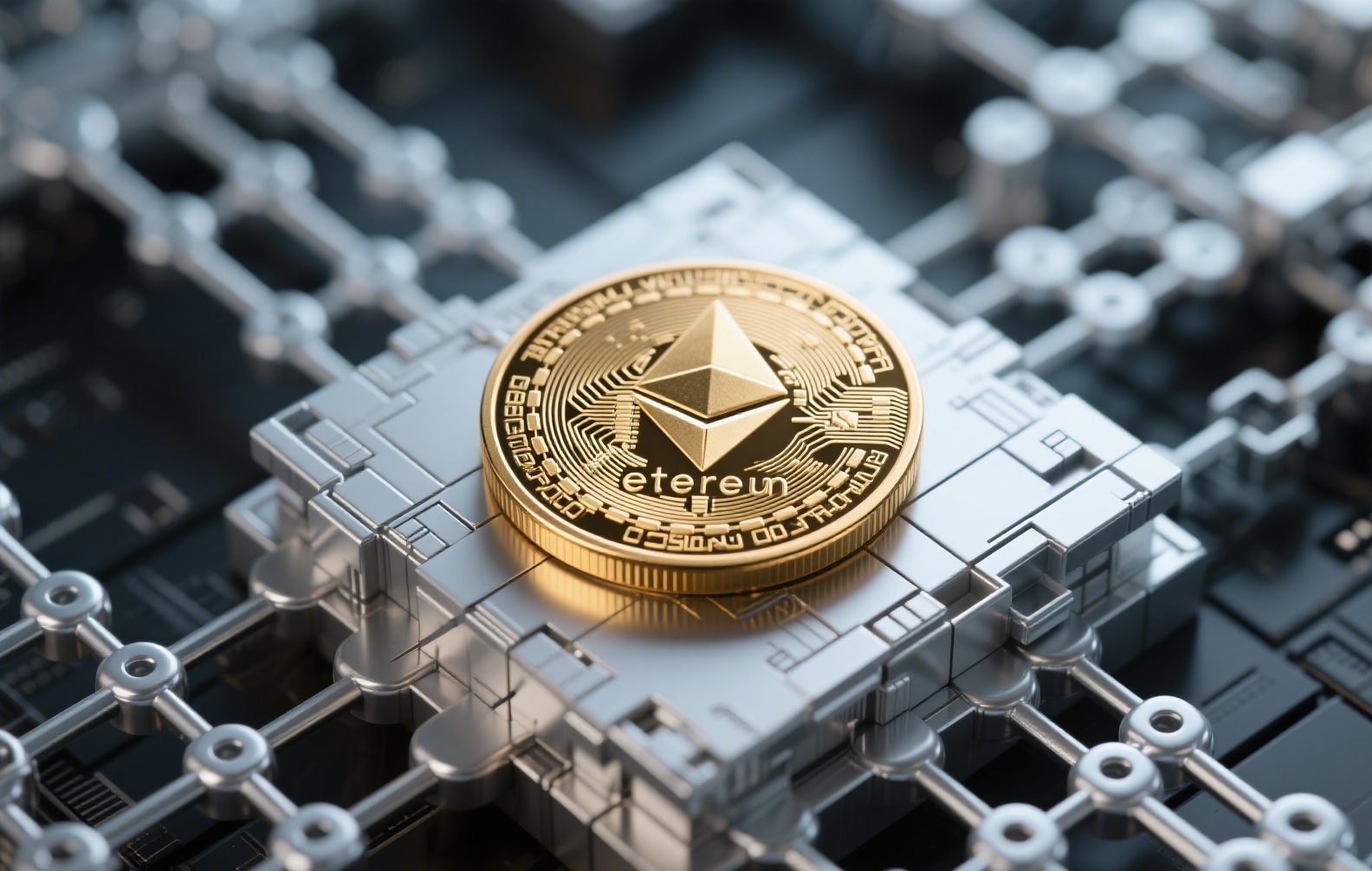
In the rapidly evolving world of digital finance, USD Coin (USDC) has established itself as a cornerstone of stability. As a fully regulated and transparent stablecoin pegged 1:1 to the US dollar, its utility is undeniable. However, a critical question for users and developers alike is: which chains does USDC have a presence on? The answer is no longer a single blockchain. USDC has strategically expanded across a multi-chain ecosystem, dramatically enhancing its accessibility and interoperability.
Initially launched on the Ethereum blockchain as an ERC-20 token, USDC's native home remains Ethereum. This provides deep liquidity and integration within the vast Ethereum DeFi landscape, including protocols like Uniswap, Aave, and Compound. However, to address high gas fees and network congestion, the issuing consortium, Centre, has authorized native issuance on several other leading networks. A primary example is Solana, where USDC operates as an SPL token, offering lightning-fast and ultra-low-cost transactions, making it ideal for payments and high-frequency trading.
Beyond Ethereum and Solana, the list of supported chains is extensive. It includes Avalanche (as an ARC-20 token), Polygon (as a MATIC-based ERC-20), Stellar (for cross-border payments), Algorand, and Arbitrum. Furthermore, USDC exists in bridged or wrapped forms on countless other chains like Binance Smart Chain (as USDC.e or bridged USDC), Fantom, and Optimism. This multi-chain strategy ensures that whether you are trading on a decentralized exchange, earning yield in a liquidity pool, or sending cross-border payments, there is likely a blockchain where USDC can facilitate your transaction efficiently.
For users, this expansion means unparalleled choice. You can select the blockchain that best suits your needs—be it Ethereum for maximum security and DeFi options, Solana for speed, or Polygon for low costs. For developers, it means the ability to build applications with stablecoin functionality on their preferred network, tapping into USDC's deep liquidity pools. When using USDC, it is crucial to verify the specific version and its native chain, especially when moving assets across bridges, to avoid any loss of funds.
In conclusion, USDC is no longer confined to a single ledger. Its presence spans a broad and growing array of blockchains, from Ethereum and Solana to Layer 2 solutions and high-performance networks. This deliberate multi-chain deployment solidifies USDC's role as a foundational, interoperable asset powering the next generation of open financial applications across the entire crypto ecosystem. Understanding which chain hosts your USDC is key to unlocking its full potential for fast, cheap, and secure digital dollar transactions.

发表评论